

04 Dec Understanding the Meaning of Tser Tint
Understanding the Meaning of Tser Tint
Understanding car window tints can often feel like navigating a maze of technical terms and regulations. One term that frequently pops up in discussions about car tints is “Tser Tint”. If you’re a car dealership owner, car owner, or an automotive blogger, understanding what Tser Tint means and how it can benefit you is crucial. This article will break down the concept of Tser Tint, explore various types of car tints, and provide practical advice on choosing the right tint for your needs. Understanding the Tser Tint meaning can make a significant difference in selecting the correct tint.
What is Tser Tint?
Tser stands for Total Solar Energy Rejected. It’s a measure of how much solar energy is blocked by a window film. When you see a Tser percentage, it tells you how much of the sun’s energy is being rejected. For instance, a Tser of 60% means that 60% of the sun’s energy is blocked and only 40% is allowed to pass through the window. The higher the Tser percentage, the better the window film is at blocking heat.
Why Tser Tint Matters
Understanding Tser Tint is important because it affects the comfort, safety, and efficiency of your car. A higher Tser percentage means more heat is blocked, which can keep your car cooler and reduce the need for air conditioning. This not only makes your ride more comfortable but can also improve fuel efficiency. Additionally, Tser Tint can protect your car’s interior from sun damage and reduce glare, enhancing driving safety.
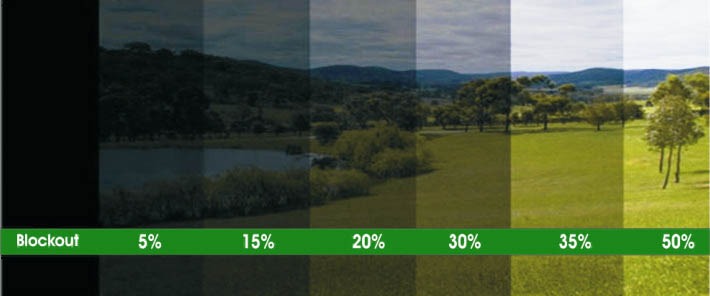
Types of Car Window Tints
When it comes to car window tints, there are several types available, each with its own benefits. Here’s a quick rundown of the most common types:
Dyed Window Tint
Dyed window tint is the most basic and affordable type. It uses a layer of dye to block sunlight. While it can reduce glare and provide some heat reduction, its effectiveness in blocking UV rays and heat is limited compared to other types. However, it is a good option if you’re looking for an economical choice.
Metalized Window Tint
This type of tint contains tiny metallic particles that reflect light and heat. It’s more effective at blocking heat and UV rays than dyed tints. However, it can interfere with GPS and mobile signals because of the metal content.
Carbon Window Tint
Carbon tint is known for its matte finish and ability to block infrared light, which makes it effective at reducing heat. It doesn’t contain metal, so it won’t interfere with electronics. Carbon tint is more durable than dyed or metalized tints, making it a popular choice for many car owners.
Ceramic Window Tint
Ceramic tint is a premium option that offers superior heat reduction and UV protection. It doesn’t contain metal, so it won’t interfere with electronics. Ceramic tints are also known for their durability and clarity, making them an excellent choice for those willing to invest a little more.
Hybrid Window Tint
Hybrid tints combine dyed and metalized layers, offering a balance of benefits. They reduce glare and heat and offer better UV protection than dyed tints, without the interference issues of metalized tints.
Benefits of Car Window Tinting
Car window tinting offers a range of benefits beyond just aesthetic appeal. Here’s how tints can enhance your driving experience:
Improved Comfort
By blocking a significant portion of the sun’s heat, window tints can keep your car cooler, especially during hot summer months. This can make your drive more comfortable and reduce the need for air conditioning.
Increased Privacy
Window tints can provide a level of privacy by making it harder for people to see inside your car. This can be particularly useful for protecting valuables when your car is parked.
Protection from UV Rays
Many window tints block a significant portion of harmful UV rays, which can protect your skin and reduce the risk of fading and damage to your car’s interior.
Enhanced Safety
In the event of an accident, window tints can help hold shattered glass together, reducing the risk of injury from flying glass shards.
Regulations Surrounding Car Window Tinting
When considering window tinting, it’s important to be aware of the regulations in your area. Each state or country may have different rules regarding the level of tint allowed on different windows of the vehicle. These regulations are usually based on the Visible Light Transmission (VLT) percentage, which is the amount of visible light that can pass through the tinted window.
General Guidelines
- Windshield: Most regulations allow a non-reflective tint on the top few inches of the windshield.
- Front Side Windows: These usually require a higher VLT percentage, allowing more light to pass through.
- Rear Side and Back Windows: These can often have a darker tint compared to the front windows.
It’s crucial to check the specific regulations in your area to ensure compliance and avoid fines.
Choosing the Right Car Tint
Selecting the right car tint involves considering your needs and preferences, as well as the specific benefits each type of tint offers. Here are some tips to help you make an informed decision:
- Consider Your Budget: While premium tints offer superior benefits, there are options available for various budget levels.
- Assess Your Needs: Do you prioritize heat reduction, UV protection, or privacy? Understanding your priorities can help you choose the most suitable tint.
- Check Compatibility with Electronics: If you have GPS or mobile devices, opt for tints that don’t interfere with electronic signals.
- Consult a Professional: A professional installer can provide recommendations based on your vehicle and local regulations.
Conclusion
Understanding the meaning of Tser Tint and the different types of car window tints can greatly enhance your ability to make an informed decision about your vehicle’s tinting. Whether you’re a car dealership owner advising customers, a car owner seeking to improve your vehicle, or an automotive blogger sharing insights, this knowledge is invaluable. By selecting the right car tint, you can improve comfort, privacy, and safety while adhering to regulations. With this comprehensive guide, you are well-equipped to navigate the world of car window tinting with confidence.